
Call Us
0086-13486123098 0086-571-58838718
Send Us
- All
- Product Name
- Product Keyword
- Product Model
- Product Summary
- Product Description
- Multi Field Search
Views: 0 Author: Site Editor Publish Time: 2025-10-29 Origin: Site


Mixer grinders have become indispensable in modern kitchens, helping to grind spices, prepare chutneys, and make purees quickly and efficiently. At the core of these appliances lies the AC Motor, which determines their performance, durability, and energy efficiency. Understanding which AC Motor is used in mixer grinders and why it is preferred over other motor types can help you make informed decisions when choosing or maintaining your appliance. This guide explores the types, key features, advantages, and selection tips for AC Motors for Mixer grinders, ensuring you get the best performance from your kitchen tool.
The motor is the heart of a mixer grinder. An AC Motor for Mixer converts electrical energy into mechanical energy, driving the blades to grind, mix, and pulverize ingredients efficiently. The motor type directly impacts torque, speed, noise levels, and energy consumption.
Most mixer grinders use AC Motors, particularly single-phase induction motors, because they:
Provide high torque required for grinding tough ingredients
Are durable and require minimal maintenance
Operate efficiently with household AC power
Are cost-effective for manufacturers and consumers
By comparison, DC motors offer easier speed control but are more expensive and less common in home kitchen appliances.
The single-phase induction AC Motor is the most widely used motor in mixer grinders. It works by inducing a rotating magnetic field in the rotor, creating motion.
Key Advantages:
High Torque Production: Essential for grinding nuts, spices, and other tough ingredients.
Durability: Robust design ensures long life and consistent performance.
Low Maintenance: Requires minimal upkeep over the appliance’s lifespan.
Compatibility: Designed to operate with standard single-phase AC household supply.
| Motor Type | Torque | Maintenance | Cost | Compatibility |
|---|---|---|---|---|
| Single-Phase Induction AC Motor | High | Low | Affordable | Home AC supply |
| Three-Phase Induction AC Motor | Very High | Moderate | Higher | Industrial use |
| Synchronous AC Motor | Moderate | High | High | Specialized applications |
Three-phase induction motors are rarely used in home mixer grinders because they are designed for industrial machines requiring higher power. Synchronous motors are more specialized and not common in household appliances.
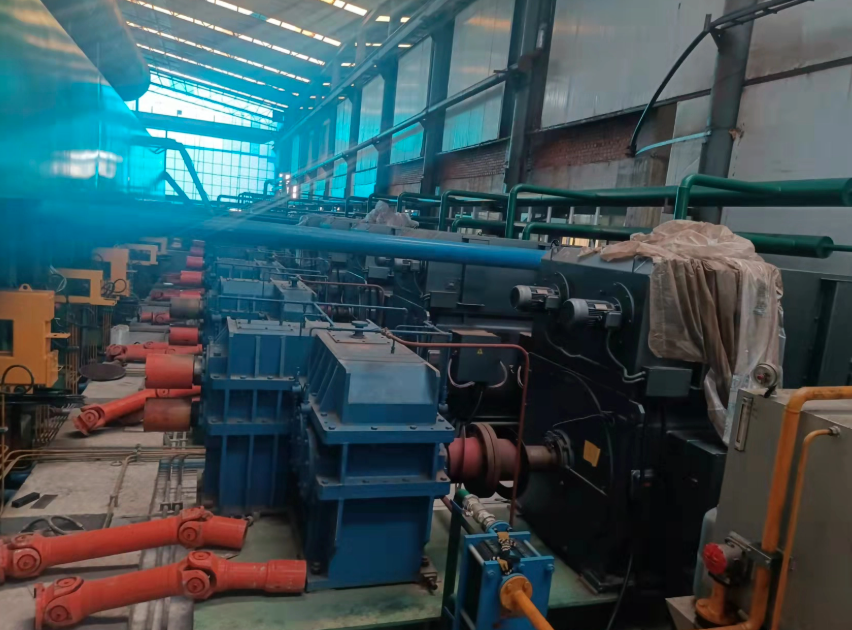
A high-quality AC Motor for Mixer delivers consistent and high torque even at low speeds, which is critical for crushing tough ingredients like nuts, spices, grains, and lentils. This consistent torque ensures that the blades maintain optimal cutting speed, preventing the motor from stalling during heavy-duty tasks.
Additionally, the rotor and stator design in single-phase induction motors allows the motor to handle fluctuating loads efficiently. This means whether you are grinding small quantities or processing bulk ingredients, the motor maintains stable performance without overheating or slowing down.
For users, this translates into smooth operation, faster grinding, and better texture consistency in your food preparations, making the appliance reliable for daily use.
Durability is one of the most important reasons why AC Motors are used in mixer grinders. These motors are built with robust metal casings, high-quality bearings, and reinforced windings, allowing them to withstand high mechanical stress over long periods.
Compared to DC motors, which may require frequent maintenance due to brush wear or overheating, AC Motors for Mixer grinders need minimal servicing. Routine cleaning and occasional lubrication of bearings are usually sufficient to ensure long-term performance.
Some advanced models also feature thermal overload protection, which automatically shuts down the motor if it overheats, further extending its life and protecting the appliance.
Energy efficiency is another key advantage of using AC Motors for Mixer grinders. Single-phase induction motors are designed to convert a high percentage of electrical energy into mechanical power, reducing wastage and electricity costs.
Efficient energy conversion not only makes the appliance more eco-friendly but also helps maintain lower operating temperatures, preventing wear on internal components. This is especially important for households where the mixer grinder is used multiple times a day.
Many modern AC motors also incorporate optimized winding patterns and low-resistance copper coils, which further enhance efficiency and reduce energy consumption without compromising performance.
Compact and space-saving design is a crucial feature of AC Motors for Mixer grinders. Manufacturers design these motors to be small yet powerful, allowing appliances to maintain a sleek and ergonomic form factor.
The lightweight yet durable motor housing ensures that the mixer grinder is easy to handle, while still being sturdy enough to withstand repeated heavy grinding tasks. Compact motor design also enables the integration of multiple speed settings and attachments, increasing the versatility of the appliance.
Moreover, smaller motors generate less vibration and noise, contributing to a quieter kitchen environment and a more pleasant user experience. This combination of efficiency, performance, and design flexibility makes AC motors the preferred choice for modern mixer grinders.
Overload Protection: Automatically stops the motor if it encounters excessive load, preventing damage.
Low Noise Operation: Advanced rotor designs minimize vibration and sound, making them quieter than older motors.
Thermal Management: Built-in cooling systems or heat-resistant components maintain optimal temperature.
Multi-Speed Capability: Even without a VFD, modern AC motors can provide multiple speed settings for grinding, blending, or mixing.
These features enhance user convenience, appliance lifespan, and grinding performance, highlighting why AC motors dominate the mixer grinder market.
The right AC Motor for Mixer ensures smooth grinding even with unevenly distributed ingredients. Single-phase induction AC Motors handle fluctuating loads efficiently, delivering consistent results.
Compared to other motors, AC induction motors operate quietly with minimal vibration, enhancing user experience in the kitchen.
While DC motors allow simpler speed variation, AC Motors for Mixer grinders can achieve variable speed control with Variable Frequency Drives (VFDs) if required. For typical home mixer grinders, speed control is built into the appliance and optimized for common kitchen tasks.
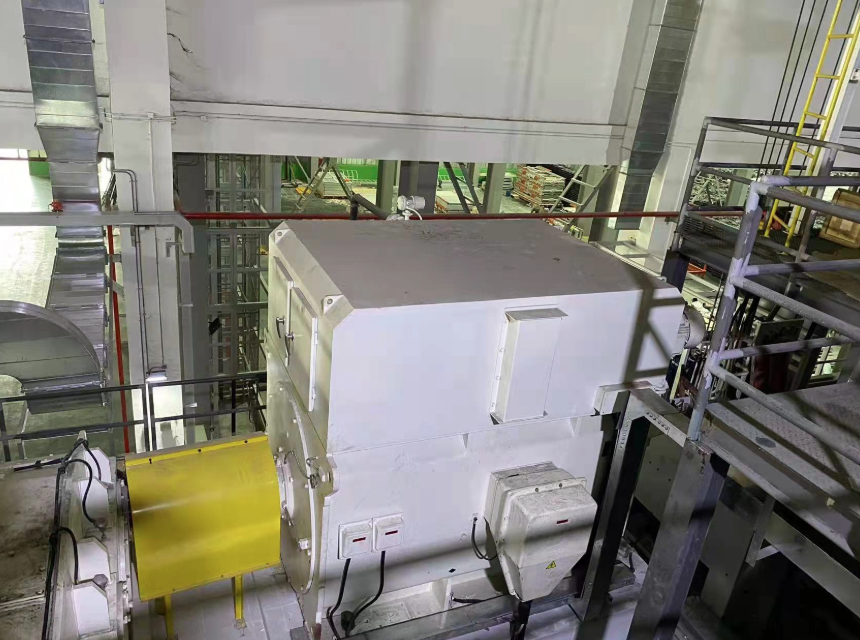
When selecting a mixer grinder AC Motor, consider:
Torque required for your typical grinding tasks
Power rating (usually 500–750W for home mixers)
Durability and maintenance needs
Compatibility with standard household AC supply
Choose reputable brands with certifications
Ensure the motor has proper cooling mechanisms
Check for robust build quality to prevent overheating and extend lifespan
Single-phase induction AC Motors are ideal due to high torque, durability, and efficiency.
No, three-phase motors are designed for industrial applications and require special power supply.
With proper use and maintenance, these motors can last 8–10 years or more.
Avoid overloading, maintain cleanliness, and use appliances with proper cooling.
In summary, single-phase AC Motors for Mixer grinders are the preferred choice for home kitchens due to their high torque, durability, energy efficiency, and low maintenance. They deliver consistent grinding performance, minimize noise and vibration, and are fully compatible with household AC power. For high-quality, reliable, and efficient AC Motors for Mixer grinders, trust Hangzhou New Hengli Electric Machine MFG. Co., Ltd., a leading manufacturer committed to providing robust electric motor solutions for both household and industrial applications.
