
Call Us
0086-13486123098 0086-571-58838718
Send Us
- All
- Product Name
- Product Keyword
- Product Model
- Product Summary
- Product Description
- Multi Field Search
Views: 0 Author: Site Editor Publish Time: 2025-09-24 Origin: Site


Do you know if your DC Electric Motor is brushed or brushless? Many people face this challenge when repairing, upgrading, or replacing motors. The difference matters for cost, efficiency, and maintenance. In this article, you'll learn clear and simple ways to identify your motor type without confusion.
When you need to identify whether a DC Electric Motor is brushed or brushless, a quick visual inspection often gives the fastest answer. Below, we’ll explore practical checks that don’t require dismantling the entire motor.
Brushed motors use carbon brushes that touch the rotating shaft. These brushes transfer current to the armature through physical contact. You may see small access ports or holders near the shaft where brushes are inserted. Over time, these brushes wear down and require replacement. If you notice this visible feature, the motor is likely brushed.
Another hallmark of a brushed DC Electric Motor is the commutator. This segmented copper ring sits on the rotor and makes direct contact with the brushes. Look for shiny or copper-colored rings with multiple slots around the shaft. In contrast, brushless motors lack this part, since their commutation is electronic. The absence of a commutator is a strong indicator you’re looking at a brushless motor.
Cooling design often varies between the two motor types. Brushed motors sometimes feature larger vents because the brushes and commutator generate more heat during use. Brushless motors, which run cooler, may have fewer or smaller openings. Examining the casing design and airflow vents can provide a quick hint about which type of motor you have.
Brushed motors tend to be bulkier due to the physical brushes and commutator assembly. Brushless motors, by eliminating those parts, often appear more compact for the same power rating. Some brushless motors are fully enclosed in sleek casings, reflecting their need for electronic controllers rather than mechanical commutation.
Feature | Brushed Motor | Brushless Motor |
Brushes | Visible carbon brushes | None |
Commutator | Segmented copper ring | Not present |
Cooling | Larger vents | Smaller vents |
Size | Bulkier design | Compact design |
Wiring patterns can quickly show if a DC Electric Motor is brushed or brushless. Instead of opening the casing, you can often check the number of wires and connectors to make a confident judgment.
Most brushed motors run on a very simple setup. You’ll normally see just two wires coming out—one positive and one negative. These connect directly to the brushes and commutator inside. Because of this simplicity, the motor can run from a basic DC power source like a battery. If you only see two leads, it's almost always a brushed design.
A brushless motor requires electronic commutation, which needs multiple phases. That’s why most brushless DC motors have three wires, each carrying one phase of the current. Some models may have more than three wires to support sensors or advanced control features. If you notice three thick wires bundled together, you're likely dealing with a brushless unit.
A brushless DC Electric Motor always pairs with an electronic speed controller (ESC). This controller manages current flow across the phases to keep the rotor spinning. Look for external control boxes, sensor connectors, or more complex plug designs. Brushed motors, by contrast, often have direct and straightforward wire terminals.
Wiring Feature | Brushed Motor | Brushless Motor |
Wire Count | 2 wires only | 3 or more wires |
Controller | Not required | Needs ESC |
Connectors | Simple terminals | Complex plugs |
Use Case | Toys, simple tools | EVs, drones, robotics |
Note: Always verify wiring before installation, since wrong connections can damage both the motor and the power supply.
Performance tells a lot about whether a DC Electric Motor is brushed or brushless. You don’t always need to open the casing—paying attention to noise, heat, and efficiency often reveals the answer.
Brushed motors create friction when carbon brushes touch the commutator. This often produces audible clicking, buzzing, or sparking sounds. If a motor crackles or emits light sparks during use, it's almost always a brushed design. Brushless motors avoid this issue since they have no brushes.
A brushless DC Electric Motor usually runs quieter and smoother. Without brushes, there's less friction and fewer interruptions in current. This makes them ideal for drones, medical equipment, or devices where low noise is critical. You'll notice a steady hum rather than erratic mechanical noise.
Heat levels provide another strong clue. Brushed motors often run hotter because brushes and commutators waste energy through friction. Brushless motors stay cooler, especially under continuous load. For example, a brushless fan motor can run for hours without the casing getting too warm.
When you adjust speed, differences become clear. Brushed motors can stall or surge, while brushless motors respond more smoothly to changes. Electronic controllers give brushless motors stable acceleration and speed holding. This precision is especially useful in robotics or CNC systems.
Brushed designs may vibrate more, especially at higher RPMs. The mechanical switching of brushes creates torque ripple, which you can feel as uneven motion. Brushless motors, particularly those using sinusoidal control, reduce this effect. The result is steadier torque output and less vibration.
Brushed motors generate electrical noise due to arcing at the brushes. This noise can interfere with nearby sensitive electronics. Brushless motors, by relying on digital controllers, minimize EMI. For environments like labs or communication systems, this makes brushless options much safer.
Efficiency differences are easy to notice. Brushed motors often waste more power as heat, reducing battery run-time. Brushless motors convert more energy into motion, extending battery life in portable tools or electric vehicles. For instance, switching to brushless designs often improves efficiency by 15–20% (needs verification).
Looking inside a DC Electric Motor reveals even clearer signs of whether it is brushed or brushless. The design of magnets, coils, and commutation systems sets the two types apart.
In a brushed motor, permanent magnets usually sit on the stator. The rotor, or armature, spins inside and interacts with those magnets. A brushless motor flips this design: the magnets are mounted on the rotor, while the stator holds the windings. This inside-out structure explains why brushless motors often achieve higher efficiency and smoother torque.
Brushed motors use larger coils wrapped loosely around the armature. They need more space to handle the sparks created by brushes contacting the commutator. Brushless motors, on the other hand, feature smaller and tighter windings on the stator. These compact windings improve energy use and heat dissipation, making brushless designs more durable for continuous operation.
The commutator is the defining part of a brushed DC Electric Motor. It is a segmented copper ring fixed on the rotor shaft. Brushes press against it to switch current direction, keeping the rotor spinning. While effective, this physical contact wears down over time, causing sparks and higher maintenance needs. Seeing a commutator almost always means you are dealing with a brushed motor.
Brushless motors replace the commutator with electronic switching. A controller regulates current flow through the stator coils, aligning them with the rotor's magnets. This setup removes friction, eliminates sparks, and reduces noise. It also allows advanced control strategies, such as field-oriented control, for higher precision and efficiency.
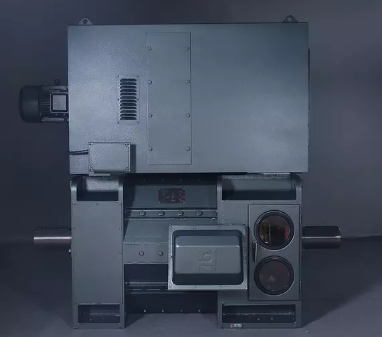
Sometimes visual inspection is not enough. Running simple tests can help confirm if a DC Electric Motor is brushed or brushless. These checks require minimal tools and provide practical evidence of the motor's design.
A multimeter can quickly reveal wiring details. For brushed motors, you'll find only two terminals, and resistance readings remain stable. Brushless motors usually have three or more wires, and the resistance shifts depending on which wires you test. This difference confirms the presence of multiple phases in brushless designs.
Brushless motors rely on sensors or controllers for commutation. If you notice extra thin wires alongside thicker phase wires, those are likely Hall sensor leads. Another clue is the presence of an external or built-in ESC module. Brushed motors won’t have these extra components, since they operate with direct voltage.
Powering the motor briefly can highlight differences. A brushed DC Electric Motor often emits sparks, clicking, or brush noise when it starts running. In contrast, a brushless motor runs with little mechanical noise, apart from airflow or vibration at high speeds. Always perform this test safely, using low voltage and protective gear.
Efficiency becomes clear under load. Brushed motors usually draw more current for the same speed, especially as brushes wear. Brushless motors achieve higher RPM while consuming less power. Tracking current draw against RPM is a reliable way to separate the two.
Looking at where a DC Electric Motor is used often reveals whether it is brushed or brushless. Applications vary by cost, performance, and maintenance demands, making this an easy way to narrow down the type.
Brushed motors are common in entry-level or low-budget products. You’ll find them in battery-powered toys, handheld drills, hairdryers, and small household fans. Their appeal lies in simplicity and low cost, since they don't require electronic controllers. However, these motors wear faster, so they're less common in long-duty or high-value applications.
A brushless DC Electric Motor dominates high-performance environments. Electric vehicles, drones, CNC machines, and medical devices all depend on brushless designs. They deliver better efficiency, quieter operation, and longer service life. Even though the initial price is higher, brushless systems reduce downtime and improve long-term reliability, which is critical in commercial use.
The application also dictates maintenance needs. Brushed motors require brush replacement and cleaning, especially in tools that run daily. They're acceptable when downtime is less costly, such as in toys or seasonal appliances. Brushless motors, by contrast, need minimal upkeep. Industrial operators value this advantage, since reduced maintenance lowers lifecycle costs and prevents production delays.
Understanding whether a DC Electric Motor is brushed or brushless is more than technical detail. It directly affects cost, performance, and how equipment runs over time.
Brushed motors require periodic brush changes. Dust from brush wear can also contaminate nearby parts. In contrast, brushless motors have fewer mechanical wear points, so service intervals are longer. Choosing the right type helps plan maintenance budgets and avoid downtime.
Energy use varies significantly between the two. A brushed motor wastes more energy as heat and sparks, which increases electricity bills in high-duty operations. A brushless DC Electric Motor uses power more efficiently, delivering higher torque per watt. Over time, this efficiency translates into measurable energy savings.
Brushed motors run on simple DC voltage, often with no external controller. Brushless designs require electronic speed controllers (ESCs) and sometimes sensors. Selecting the wrong controller can cause failure or shorten lifespan. Understanding your motor type ensures you match it with the correct driver, wiring, and power source.
Motor type influences return on investment. While brushed designs cost less upfront, their frequent service needs and lower efficiency can add hidden costs. Brushless motors cost more initially but provide longer life, less maintenance, and better performance. For industries, this means fewer replacements and better ROI.
Sometimes identifying or managing a DC Electric Motor goes beyond simple checks. In certain cases, consulting an expert ensures safety, efficiency, and long-term reliability.
Large machinery often integrates motors into automated lines, pumps, or conveyor systems. These setups may combine multiple motors with shared controllers and sensors. Misidentifying a brushed vs brushless motor can cause mismatched parts or downtime. Professional engineers can confirm specifications and guide proper integration.
In robotics, electric vehicles, or aerospace projects, motor failure has high costs. A brushless DC Electric Motor is usually the preferred choice here, but configuration errors can still happen. Experts can fine-tune controllers, verify load compatibility, and prevent premature wear. Their insight protects both the motor and the investment.
Sometimes motors show symptoms like overheating, irregular speed, or unexplained vibration. Basic checks may not reveal the cause. Brushed motors could have worn commutators, while brushless units might suffer from controller faults. A qualified technician can use diagnostic tools, such as oscilloscopes or vibration analyzers, to identify root problems.
Identifying if a DC Electric Motor is brushed or brushless becomes easier with simple checks on wiring, sound, heat, and performance. Proper identification helps prevent wasted costs and ensures smoother maintenance. Before repairs or upgrades, always evaluate the motor type carefully to match it with the right solution. Hangzhou New Hengli Electric Machine offers reliable products designed for efficiency, while Dalian Refine Tech provides advanced vibratory motor systems that deliver long-term value.
A: Check for brushes near the shaft, wiring count, and noise during operation.
A: It affects efficiency, maintenance needs, and long-term energy costs.
A: Yes, most brushed motors use two wires, while brushless motors use three or more.
A: A brushless DC Electric Motor usually lasts longer with less maintenance.
